Mold Fogging Treatment Clinton WA for hidden mold
Mold Fogging Treatment Clinton WA is a dry-fog application that pushes an EPA-registered antimicrobial mist into attics, crawl spaces, wall cavities and ductwork where surface wiping fails. If you have smelled that musty odor in a Clinton home or found black mold growth behind drywall, fogging treats the whole void, not just the visible patch. We serve homeowners and property managers across Island County with same-day and 24/7 options.
Service overview
What Mold Fogging Treatment Clinton WA actually does
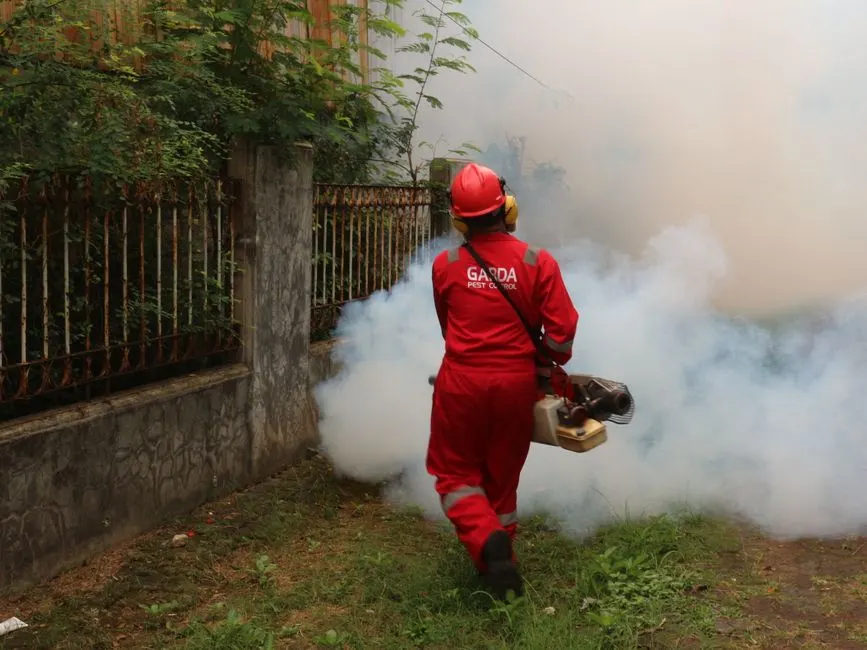
Mold Fogging Treatment Clinton WA is a whole-void disinfection process that turns a liquid antimicrobial into a dry, sub-micron fog and pushes it into every crack, corner and cavity of an affected space. A technician loads a fogger with an EPA-registered solution like Concrobium or Benefect, seals the room with plastic sheeting, and lets the fog circulate for 45 to 90 minutes. The fog lands on surfaces you cannot see or reach, killing mold spores and neutralizing the proteins that cause musty odors. It is the step that finishes the job after HEPA vacuuming and physical removal. Clinton sits on the water in Island County, and that means marine air, wet winters and a lot of older homes with unvented crawl spaces. We see the same pattern over and over: a slow roof leak in an attic, a bathroom fan venting into the joists, or a crawl space that stays above 60 percent relative humidity for months. Fogging is often the right call when mold fogging remediation near me Clinton WA searches turn up a visible patch but the smell keeps coming back. If you have already wiped the surface and the odor returned within a week, the growth is inside the void.
! Common warning signs
Musty odor that returns after cleaning
Wiping the visible patch removes the surface growth but leaves the spores and odor compounds inside the wall cavity. The smell comes back within a week and the growth keeps spreading behind the drywall.
Black mold growth in an unvented crawl space
Clinton crawl spaces stay above 60 percent relative humidity for months at a time. Without a working vapor barrier and drainage, joists and subfloor grow mold year after year and the smell rises into the living space.
Attic mold after a slow roof leak
A small leak at a flashing or vent boot wets the decking for months before you notice. By then the mold has spread across the sheathing and into the insulation, and the attic smells every time the heat kicks on.
Scope of work
What is included in mold fogging treatment
Every Clinton fogging job includes the containment, the antimicrobial application and the post-treatment verification. Removal of heavily contaminated drywall or insulation is quoted separately if the inspection shows it is needed, and we tell you that upfront.
-
01
Containment and air scrubbing
We seal doorways, vents and outlets with 6-mil plastic sheeting and run a HEPA air scrubber for the duration of the job. This keeps spores from drifting into living areas during fogging and cleanup. Setup takes about 30 minutes on a typical Clinton home.
-
02
HEPA vacuum and surface prep
Before fogging, we HEPA vacuum loose spores off framing, joists and sheathing, and scrape heavy colonies off rim boards. Fog alone cannot penetrate a thick mat of growth, so this step makes the fogging actually work. It is included in every quote.
-
03
EPA-registered antimicrobial fog
We use a thermal or cold fogger with an EPA-registered solution such as Concrobium, Benefect or RMR-86, chosen for the surface and the mold species. Dwell time runs 45 to 90 minutes depending on volume. The fog reaches cavity walls, ceiling corners and subfloor gaps.
-
04
Post-treatment verification report
After a 2 to 4 hour settle, we log moisture readings and take photos. If you want air quality and mold spore testing, we arrange it and include the lab results in the report. That document is what landlords, buyers and insurance adjusters ask for.
Why fogging beats surface-only mold cleanup
Spray bottles and wipes treat what you can see. Fog treats the entire air volume of a room or cavity, which is where the spores and odor compounds actually live. Here is what that means for a Clinton home.
Book a visitTools and methods we use for fogging
Thermal fogger and cold fogger
Turns liquid antimicrobial into a dry sub-micron mist that reaches cavity walls, ceiling corners and subfloor gaps. Thermal foggers work best in large open attics; cold foggers are used in tighter crawl spaces and wall cavities.
HEPA vacuum and air scrubber
Removes loose spores from framing and joists before fogging, and keeps airborne spores out of living areas during the job. We run a HEPA air scrubber for the full duration of containment.
Moisture meter and thermal imaging camera
Finds the wet zones feeding the mold before we fog. The thermal camera reveals hidden moisture behind drywall and in ceiling assemblies; the moisture meter confirms the reading on the surface.
Boroscope and dehumidifier
The boroscope lets us look inside closed wall cavities through a 1/4-inch hole before we commit to fogging. The dehumidifier pulls residual moisture out of the space after treatment so the mold does not return.
Local execution
Clinton sits on the water in Island County, and that shapes every fogging job we do here. Marine air keeps outdoor humidity high from October through April, and most homes were built without modern vapor barriers or mechanical ventilation. That combination means crawl spaces stay damp, attics grow mold after slow roof leaks, and bathrooms grow black mold growth along the caulk lines within a season. We adjust our fogging scope to the local climate: longer dwell times in winter when surfaces are cold, more access holes in older wall assemblies, and post-treatment dehumidification to pull residual moisture out before we close up. If you are searching for mold fogging treatment in Clinton, Washington for attics, we usually schedule the inspection and the fogging on the same visit for active leaks.
How mold fogging treatment runs in Clinton
- • Downtown Clinton
- • Clinton Heights
- • Cedar Grove
- • Mill Creek
Recent work
Same-day and 24/7 fogging across Clinton
When mold emergencies happen, we answer
Water damage mold can start growing in 24 to 48 hours, so we keep same-day slots open for active leaks, sewage backups and post-flood situations across Clinton and Island County. Call (833) 929-5837 any hour and you reach a person, not a voicemail. For most Clinton addresses, a technician is on site within a few hours of the call. Our trucks carry thermal foggers, cold foggers, HEPA air scrubbers, moisture meters and thermal imaging cameras, plus EPA-registered antimicrobials like Concrobium and Benefect, so we can start containment on the first visit. A typical residential fogging job takes 3 to 5 hours from setup to settle, and we send you a written report the same day.
How our Clinton fogging process runs
Inspection and moisture mapping
A technician walks the space with a moisture meter and thermal imaging camera to find the wet zones feeding the mold. We check the attic decking, crawl space joists, bathroom walls and any area with a prior leak. This takes 45 to 90 minutes and tells us exactly what to fog and what to remove.
Containment and prep
We seal doorways, vents and outlets with 6-mil plastic sheeting and set up a HEPA air scrubber to keep spores from drifting into living areas. Furniture and personal items get moved or covered. Setup takes about 30 minutes on a typical Clinton home.
HEPA vacuum and surface prep
Before fogging, we HEPA vacuum loose spores off framing, joists and sheathing. Fog alone cannot penetrate a thick mat of growth, so this step matters. We also scrape or wire-brush heavy colonies on joists and rim boards.
What mold fogging treatment costs in Clinton
Typical 2026 pricing for mold fogging treatment in Clinton runs $450 to $1,800 for residential jobs, with most single-attic or crawl space jobs landing around $700 to $1,100. Commercial spaces and multi-room jobs price higher. The price depends on the volume of the space, how many closed cavities need access holes, and whether removal work is needed before fogging. We give you a flat written price before we start, so there are no surprise add-ons after the fact.
Square footage and volume
A 300-square-foot attic and a 1,800-square-foot crawl space take very different amounts of chemical and dwell time. Volume drives the fogger run time and the amount of antimicrobial used, which is the biggest single line item in the quote.
Access and cavity count
Closed wall cavities need small access holes drilled and patched, and each one adds time. A single open attic is straightforward; a finished basement with multiple wall sections takes longer and costs more. We count the cavities during the inspection.
Removal work before fogging
If heavy growth or saturated insulation has to come out first, that adds labor, disposal and containment time. Fogging alone is the cheapest option; fogging after HEPA vacuuming and removal is more expensive but often necessary for a lasting result.
Frequently asked questions
How much does mold fogging treatment cost in Clinton WA?
Most residential fogging jobs in Clinton run $450 to $1,800 in 2026, with the average single-attic or crawl space job landing around $700 to $1,100. Cost depends on square footage, how many closed cavities need access holes, and whether HEPA vacuuming or dry ice blasting is needed first. Commercial spaces and multi-room jobs price higher. We give you a flat written price before we start.
Is mold fogging safe for pets in Clinton, Washington?
Yes, once the fog has settled. We use EPA-registered solutions like Benefect and Concrobium that leave no toxic residue on surfaces. You and your pets leave the home for 2 to 4 hours while we fog and let it settle, then you come back. Fish tanks and birds need to be moved out entirely because their respiratory systems are more sensitive. We walk you through the prep list before the visit.
How does mold fogging remediation work in Clinton WA?
A fogger turns an EPA-registered antimicrobial into a dry, sub-micron mist and pushes it through the whole air volume of a contained space. The mist lands on framing, sheathing, insulation faces and cavity walls, killing spores and neutralizing odor compounds. Dwell time is 45 to 90 minutes, then a 2 to 4 hour settle. It works best after HEPA vacuuming and removal of heavy growth.
Do you offer mold fogging treatment near me in Clinton WA?
Yes. We cover all of Clinton and the surrounding Island County area, including Downtown Clinton, Clinton Heights, South Clinton, Cedar Grove, Mill Creek and the waterfront neighborhoods off Cultus Bay Road. Same-day scheduling is often available for active leaks. Call (833) 929-5837 and we will confirm a window for your address.
Related services
Mold Inspection Near Me
A mold inspection near you in Clinton finds the growth before we fog. We map moisture with a thermal imaging camera and moisture meter, then scope the fogging job around what we find. Most inspections take 45 to 90 minutes and can be bundled with treatment.
Mold Inspection
A full mold inspection identifies the species, the moisture source and the extent of growth. It is the step that decides whether fogging alone is enough or whether drywall and insulation need to come out first. We do it before every Clinton fogging quote.
Book Mold Fogging Treatment Clinton WA today
If you smell musty air or see black mold growth spreading behind drywall, the sooner we fog, the less material we have to remove. Call (833) 929-5837 for a same-day or 24/7 appointment anywhere in Clinton and Island County. We give you a flat written price before we start.